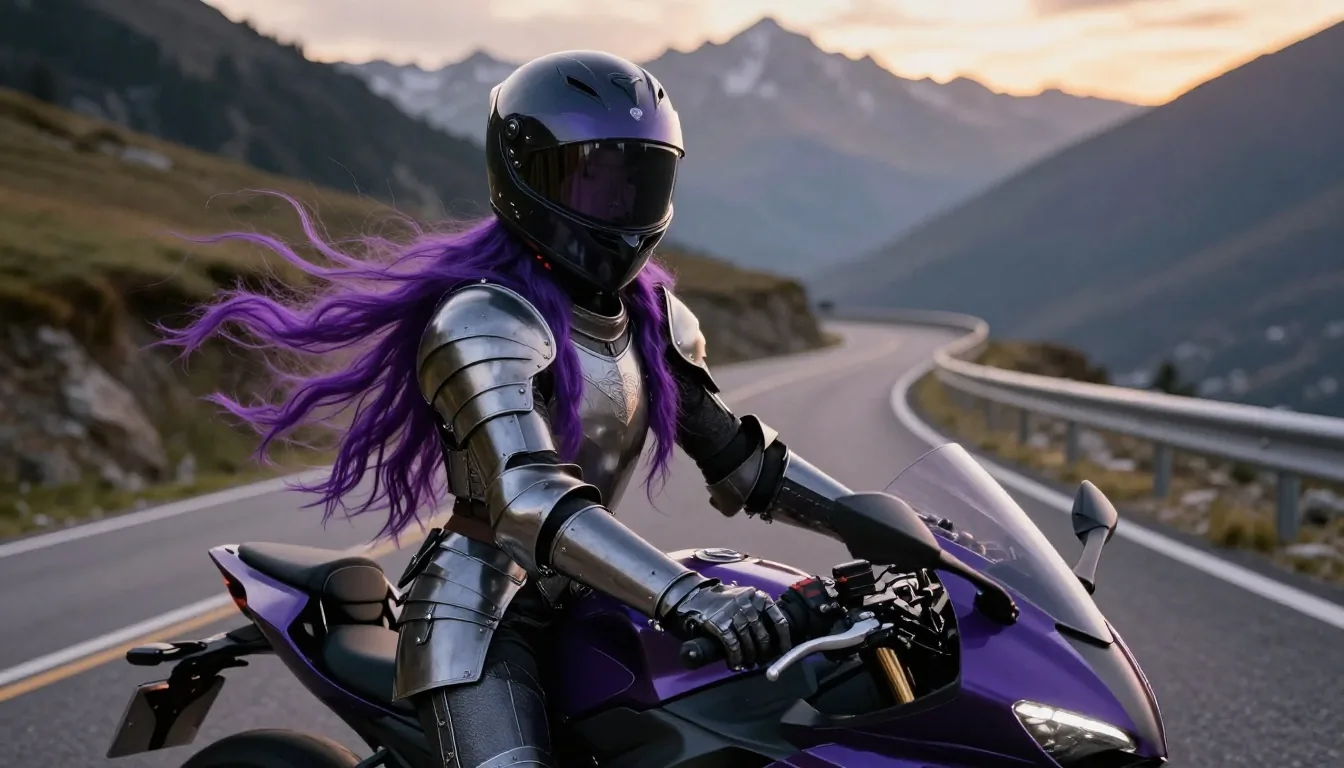
The Helmet: Your Most Important Investment
The helmet is the only legally required piece of gear, and for good reason: it reduces the risk of fatal head injury by 70%. But not all helmets are created equal, and the right choice depends on your riding style and the season.
Full-face: The best protection available. Ideal year-round, it protects your chin — the most common impact zone in a crash. Modern models offer excellent ventilation for summer riding. Look for ECE 22.06 certification, the latest European standard.
Modular (flip-up): Great for riders who wear glasses or want more versatility. The flip-up chin bar is a real bonus in the city during summer. Note: not all modular helmets are certified for riding in the open position.
Open-face (jet): Lightweight and airy, perfect for short urban commutes in summer. But chin protection is non-existent — avoid on highways and open roads.
Jacket: Adapting to Four Seasons
A good motorcycle jacket makes the difference between an enjoyable ride and an endurance test. The key? The layering system.
Summer (25°C+): Go for a mesh jacket (ventilated textile) with CE-rated elbow and shoulder protectors. Models with mesh panels provide maximum airflow while keeping armor in place. Perforated leather is an elegant alternative but runs warmer.
Mid-season (10-25°C): A textile jacket with a removable liner is the most versatile choice. Remove the thermal liner when it's warm, put it back when temperatures drop. Look for a model with an integrated waterproof membrane.
Winter (<10°C): Layer up: thermal base layer + fleece + jacket with thermal liner and windproofing. Jackets with integrated back protectors (CE level 2) are a real plus. Don't forget a neck gaiter and handlebar muffs.
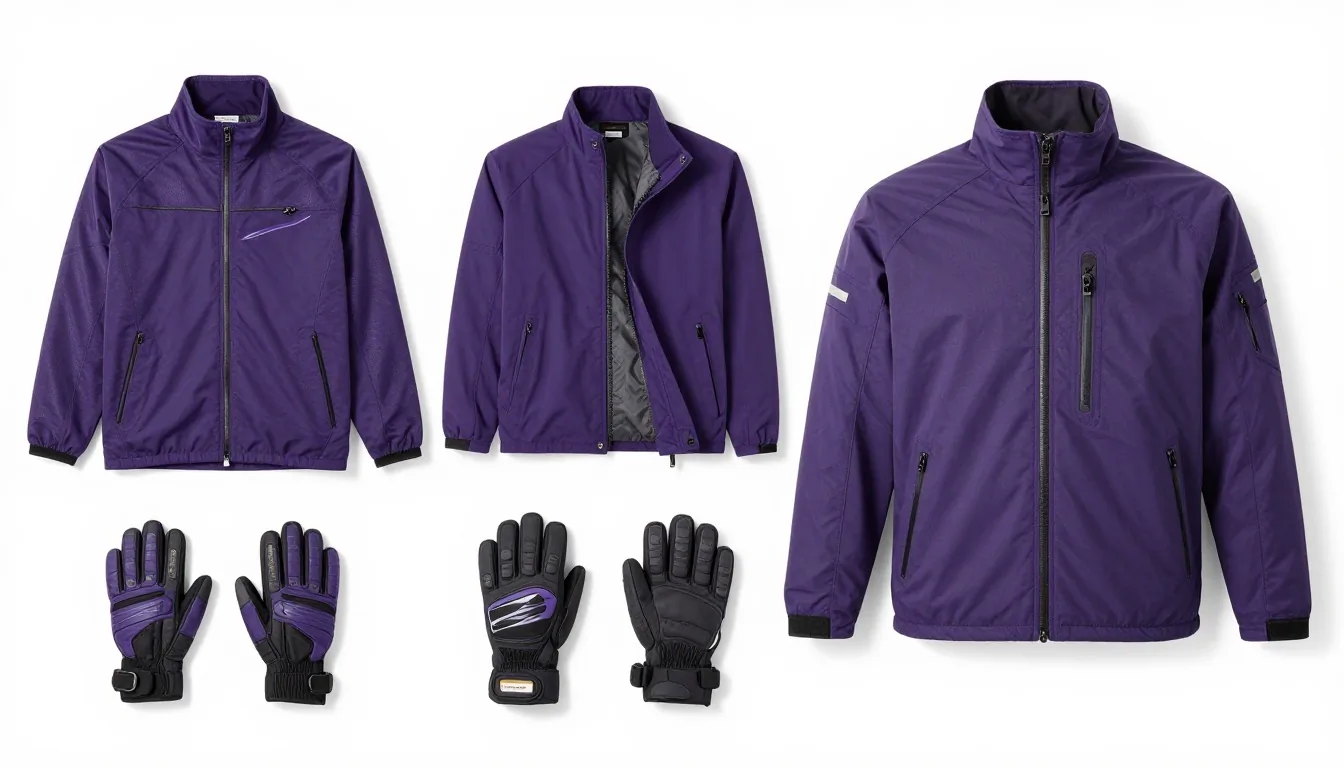
Gloves: The Most Overlooked Protection
In a fall, your natural reflex is to put your hands out. Quality gloves can mean the difference between a few scrapes and surgery.
Summer: Short gloves in perforated leather or mesh textile, with palm and knuckle reinforcements. CE EN 13594 certification is mandatory in France since 2016. Look for models with a visor wiper on the left index finger.
Winter: Long gloves (covering the wrist), lined, with a waterproof membrane. Heated gloves are a life-changing luxury for year-round riders. Expect to pay €150 to €300 for a quality pair.
Rain: Lightweight waterproof over-gloves that slip on over your regular gloves are an affordable and practical solution.
Boots: Protecting Your Ankles
Your feet and ankles are extremely vulnerable on a motorcycle. Sneakers, even high-tops, offer zero protection in a crash. Invest in proper motorcycle footwear.
Touring boots: Above-the-ankle height, with non-slip soles, shin protection and lateral reinforcements. The best ones offer a balance between protection and walking comfort for tourist stops.
Urban motorcycle shoes: They look like sneakers but integrate protective shells at the ankle and toes. Perfect for city riding and short trips.
In winter, go for waterproof boots with thermal lining. Heated insoles can also work wonders for cold extremities.
Pants and Protection: What Many Riders Forget
Pants are often the most neglected piece of motorcycle gear. Yet knees and hips are among the most common impact zones in a slide.
Reinforced motorcycle jeans: Modern motorcycle jeans integrate aramid fibers (Kevlar) and pockets for removable CE protectors. Visually close to regular jeans, they offer incomparably superior abrasion resistance compared to ordinary denim.
Textile pants: More protection, more features (waterproofing, ventilation), but less discreet. Ideal for long rides and road trips.
Back protector: If your jacket doesn't include one, buy a separate back protector (CE level 2 minimum). It's one of the most important safety investments — and one of the most overlooked.
Budget: How Much to Invest?
A complete gear setup is a significant investment, but your safety is at stake. Here's an estimate by tier:
- Essential budget (€500-800): Entry-level full-face helmet (€150-250), textile jacket (€150-200), certified gloves (€50-80), boots (€100-150), reinforced jeans (€80-120).
- Comfort budget (€1,000-1,500): Mid-range helmet (€300-500), 4-season versatile jacket (€250-400), summer + winter gloves (€150-200), touring boots (€150-250), textile pants (€150-250).
- Premium budget (€2,000+): High-end helmet (€500-800), leather + textile jacket (€400-700), heated gloves (€200-350), Gore-Tex boots (€250-400), motorcycle airbag (€400-700).
Ready to Ride with a Real Motorcycle GPS?
Download Vroom GPS for free and discover roads you never knew existed.

